
What is illustration?
According to dictionaries, the word illustration is used in French and English with the title (Illustration) and in Arabic the word (illustrator) is used to mean the person who is in charge of illustration. Illustration means expressing concepts using images that the author intends to use to convey a text or message. In simpler terms, illustration is a branch of graphics where the illustrator uses images to narrate or tell stories.
Illustration has a lot of variety and can include very realistic and complex images to simple and minimal images and children's world. This art can be used in various fields such as advertisements, book covers, animations, product packaging and many other things.
From Farshid Moghali's point of view, the illustration is as follows:ImageryThe contemporary meaning is the text or a meaning for a certain audience, illustrated or to decorate This means that the image maker is between two specific areas, surrounded and limited. On the one hand, it must be faithful to the content or meaning or text that is determined by the publisher or the client, and on the other hand, this text must be defined for a specific purpose or communication with specific audiences. (Professional Artist, No. 30, p. 23)
And also, from Ahmadreza Dalvand's point of view, illustration is defined as follows: "Illustration, which has many similarities with the art of painting, is considered one of the branches of "graphics" for the reason that it serves the "text", not expressing the artist's inner feelings and emotions. In today's world, great concepts and perspectives that have a universal or human aspect are presented with the element of "image" and "illustration"; Because "imagery" is more powerful and accurate than "verbal description". (Dalvand, p. 51)
Now, in the first stage, I will introduce the types of illustration styles and the types of illustration techniques.
The art of illustration according to the content of the desired writing, design and ideation and execution will be including:
- Scientific and medical books (Medical Illustration)It is pointed out that in this case, the images will be implemented with a medical approach.
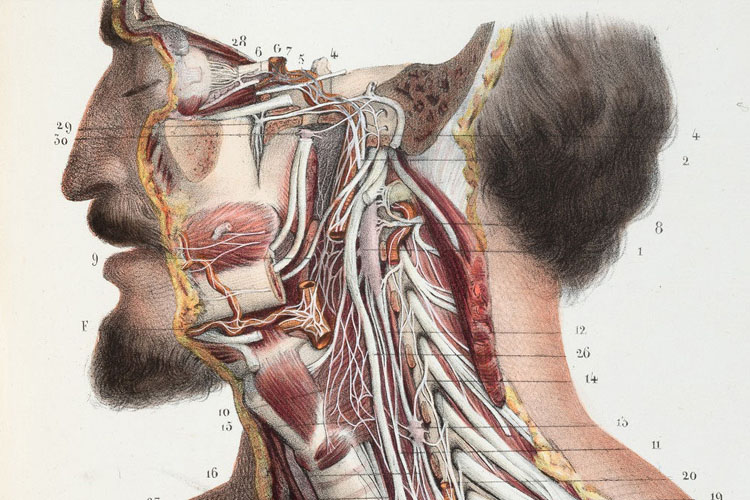
Scientific illustration
- Editorial illustration
In such illustrations, images are produced for newspapers, magazines, books, novels, posters, and websites to add a visual dimension to a piece of writing. It performs two main functions. It helps to attract the reader's attention while browsing the publication.
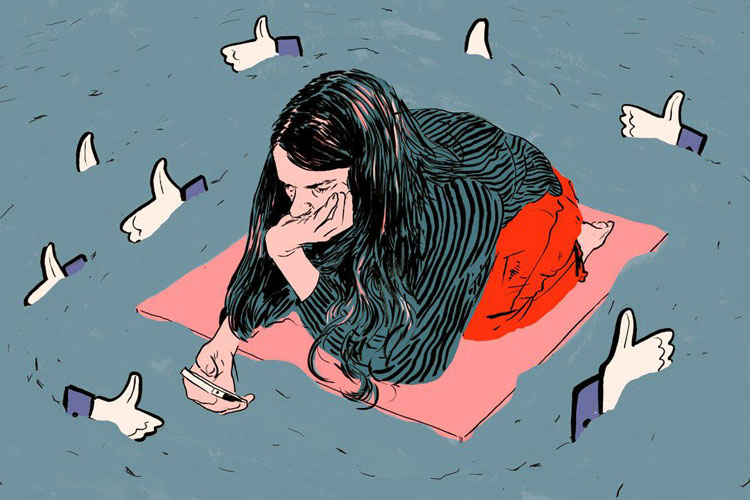
Illustration of articles
- Natural History Illustration
In this style of illustration, the effort is to record the natural environment, which includes all kinds of birds and reptiles, etc., in the encyclopedia with the help of the art of illustration.
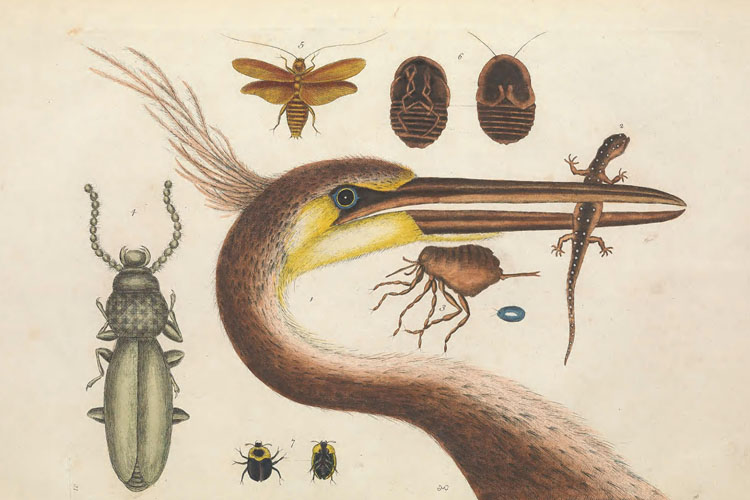
Natural imagery
- Fashion illustration
Today, fashion illustration has become very common, the better it is done professionally.
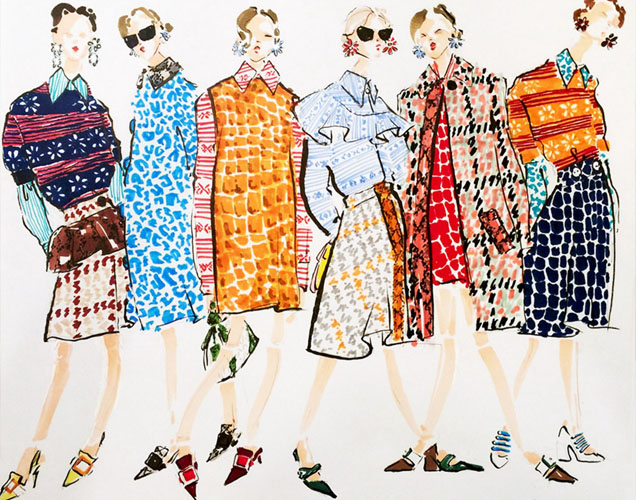
Fashion illustration
- Industrial illustration
in this Industrial design kids will benefit the most from illustration.
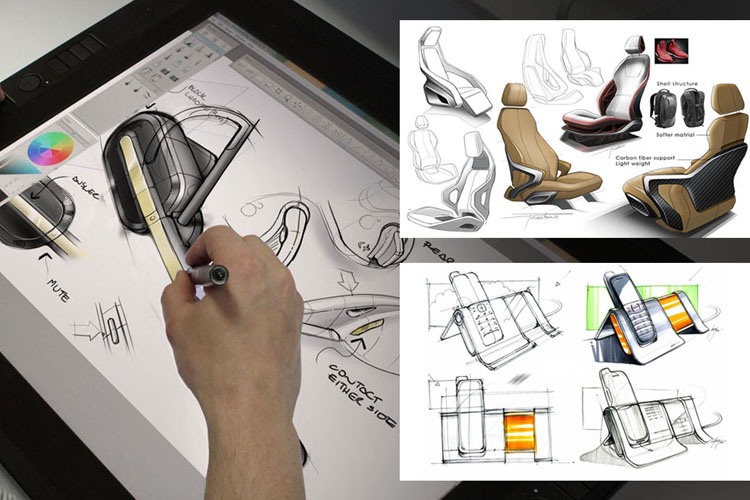
Industrial imaging
- Archaeological imaging
Archaeological imaging is a type of technical imaging. One of the main tasks of an archaeological illustrator is to draw and create reconstructed designs of ancient objects and objects that have been discovered in archaeological excavations or exhibited in museums.
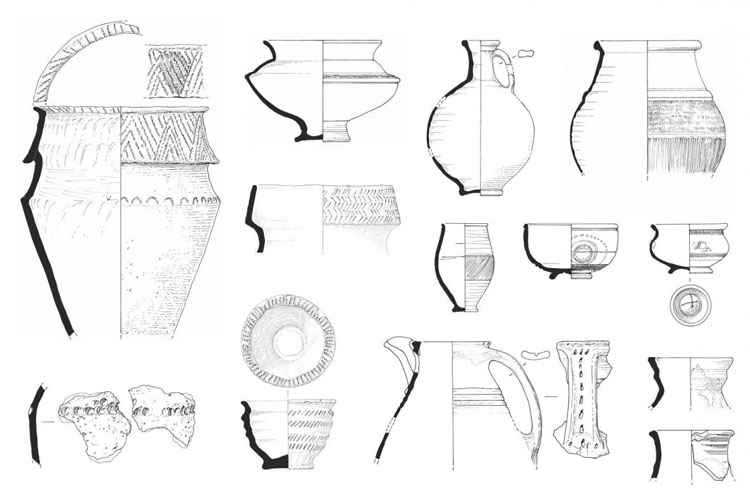
Archaeological imaging
- Education illustration
In this style, it is designed and implemented with the purpose of education and for educational texts, both in schools and universities.

Educational illustration
- conceptual illustration
Conceptual illustration is a way to visually convey an idea in a concise but thought-provoking way.
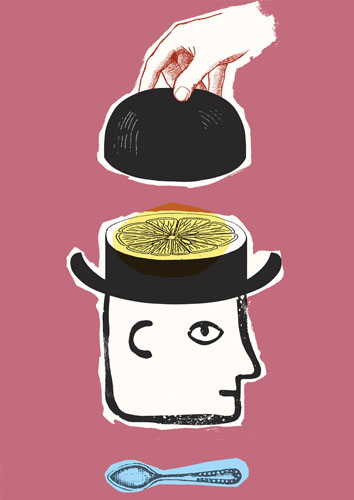
Conceptual illustration
- Infographic illustration
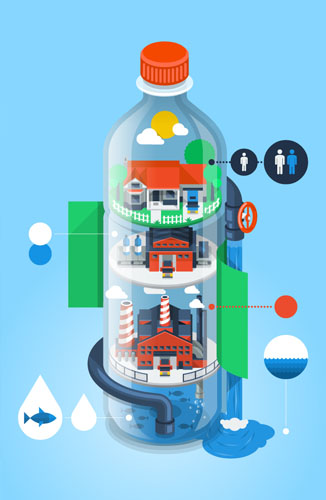
Infographic illustration
- Technical illustration
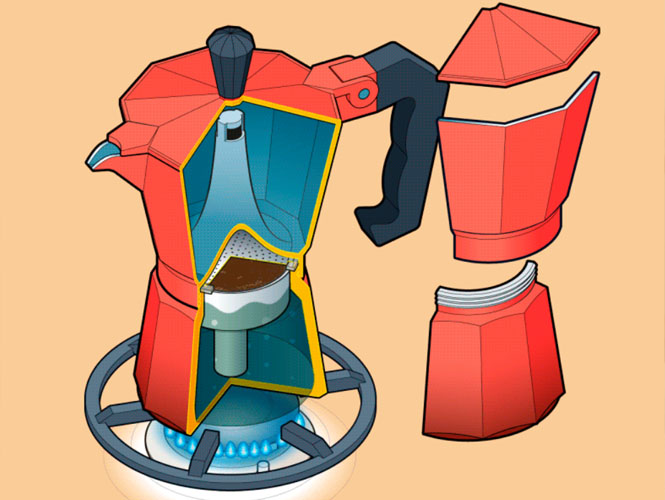
Technical illustration
- Advertising Illustration
Today, in the field of advertising, they use creative imagery to make the work more attractive.
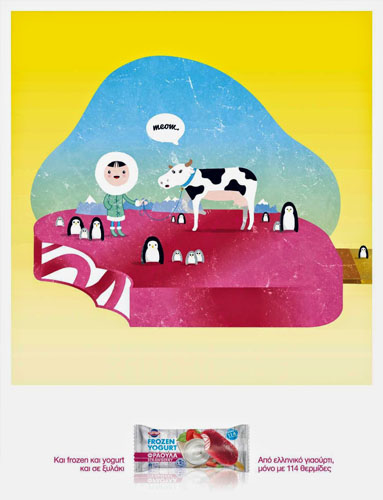
Advertising illustration
- Packaging image
In the field of packaging, you can have many creativity and use beautiful and memorable illustrations in product packaging.
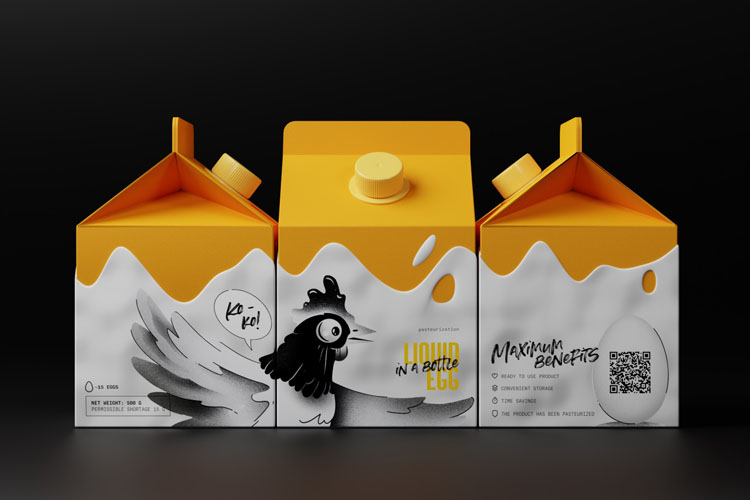
Packaging illustration
Author: Negin Khosroviani